 EN
 INA
NURSING STUDENTS OF UDAYANA UNIVERSITY’S FACULTY OF MEDICINE LEARN DISASTER MANAGEMENT THROUGH A FIELD TRIP TO THE BALI PROVINCIAL DISASTER MANAGEMENT AGENCY General
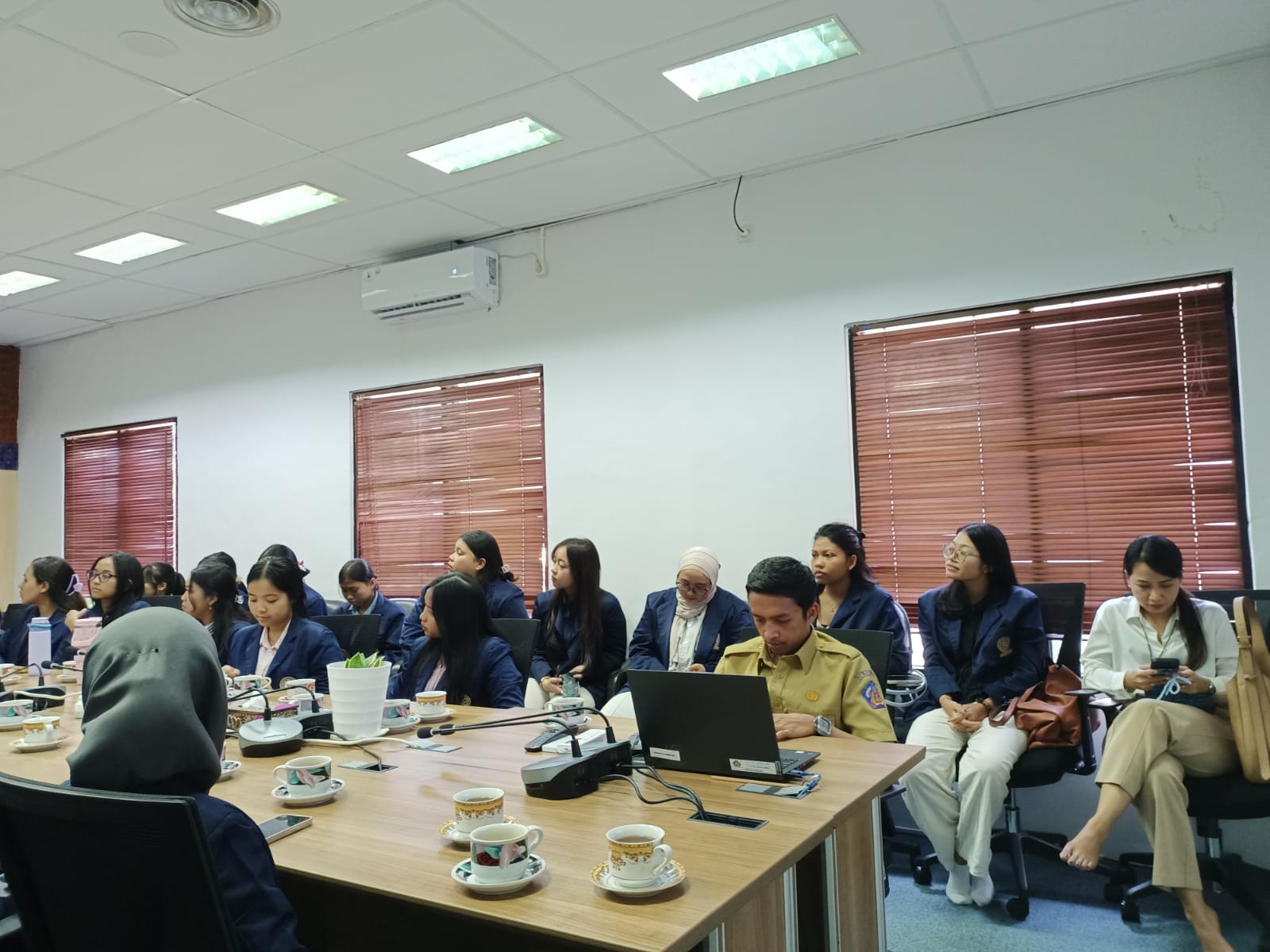
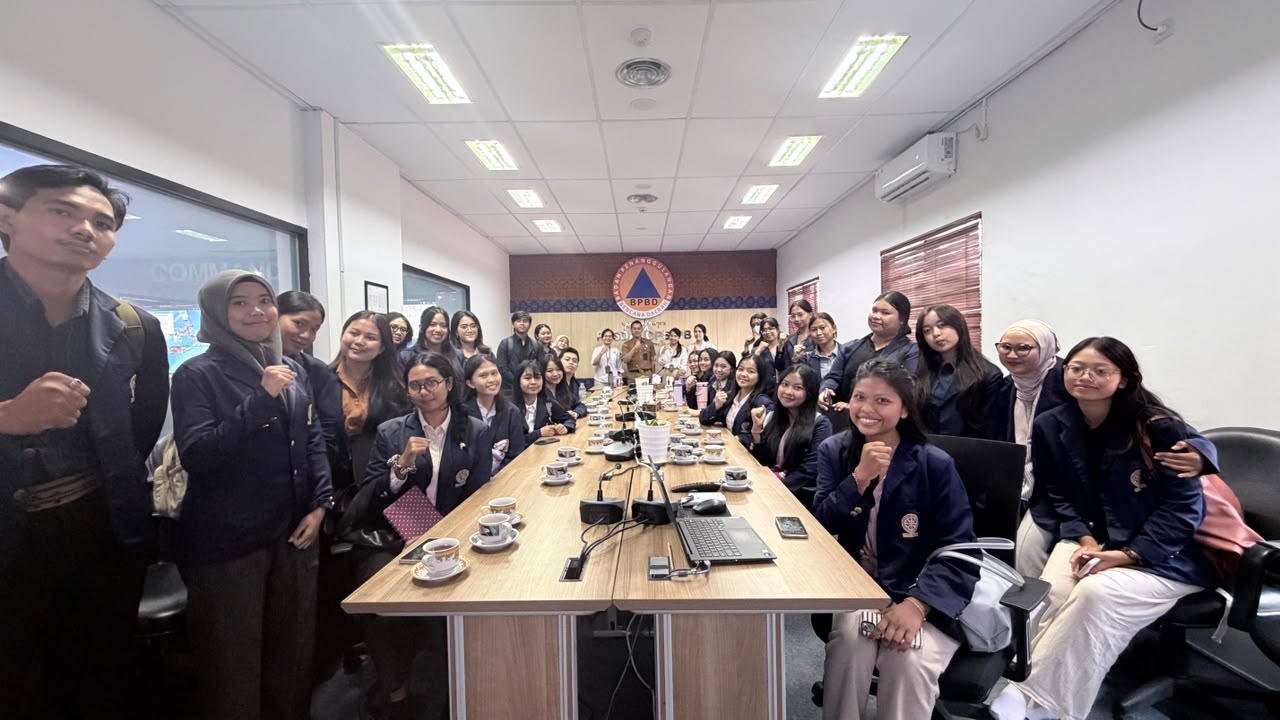
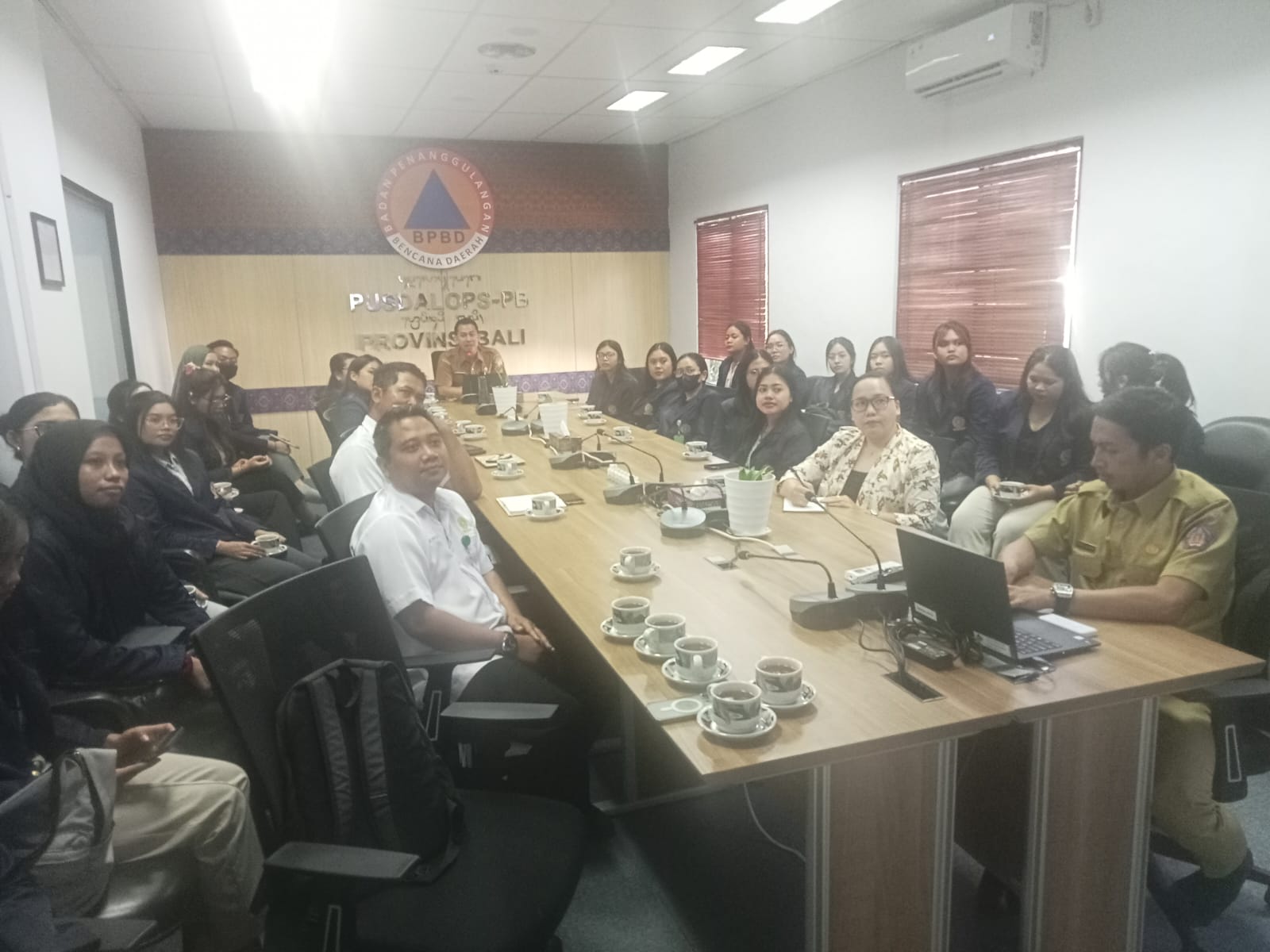
Denpasar, October 19, 2026 – A total of 91 students from the Undergraduate Nursing Study Program, Faculty of Medicine, Universitas Udayana, participated in an educational field trip to the Bali Provincial Disaster Management Agency (Badan Penanggulangan Bencana Daerah/BPBD) on Monday, October 19, 2026. The activity, which commenced at 9:00 AM Central Indonesia Time (WITA), took place at the BPBD Provincial Office, located at Jalan DI Panjaitan No. 6, Renon, Denpasar, with a particular focus on visiting the Command Center.
This activity was part of the Disaster Nursing course and aimed to bridge theoretical concepts of disaster nursing with real-world practices in disaster management. Through this visit, students gained insights into various aspects of disaster management, including mitigation, preparedness, emergency response, and post-disaster management, as well as an introduction to operational safety equipment.
During the visit, the students were accompanied by six faculty facilitators: Ns. I Made Suindrayasa, S.Kep., M.Kep.; Dr. Ns. I Kadek Saputra, S.Kep., M.Erg.; Ns. Ni Luh Putu Shinta Devi, M.Kep., Sp.Kep.An.; Ns. Meril Valentine Manangkot, S.Kep., M.Kep.; Dr. Ns. Ni Made Diah Pusparini Pendet, M.Kep., Sp.Kep.M.B.; and Dr. Ns. Desak Made Widyanthari, S.Kep., M.Kep., Sp.KMB.
The field trip was conducted interactively through several hands-on learning activities. It began with a presentation and discussion session in the BPBD meeting room, where students received information about the agency's duties and functions, disaster management policies, and coordination systems and mechanisms for disaster response in Bali Province.
The students then had the opportunity to observe the Command Center firsthand to gain a closer understanding of how the disaster management control center operates. They learned about disaster monitoring systems, emergency radio communication mechanisms, and early warning systems, including the Bali Tsunami Early Warning System (BTEWS). This direct observation provided students with practical insights into the importance of coordination, timely information dissemination, and accurate decision-making during emergency situations.
This field visit served as a valuable learning experience, enabling nursing students to understand that disaster management is a cross-sectoral responsibility requiring coordination and collaboration among various stakeholders. As prospective healthcare professionals, nursing students need to understand the disaster response chain of command and the role of healthcare professionals in every phase of disaster management, from the pre-disaster and disaster response phases to post-disaster recovery.
Through this activity, students are expected to integrate their nursing competencies with health crisis management systems in disaster situations. The hands-on learning experience at the Bali Provincial Disaster Management Agency is also expected to develop responsive, adaptive, and collaborative future nurses who are well-prepared to deliver safe and appropriate healthcare services during disaster emergencies, while contributing to the development of a disaster-resilient community.
Gallery
FACULTY OF MEDICINE UDAYANA UNIVERSITY